Published Date
April
2026
Sunday
Trusted AI in higher education and research - THE Asia Universities Summit 2026
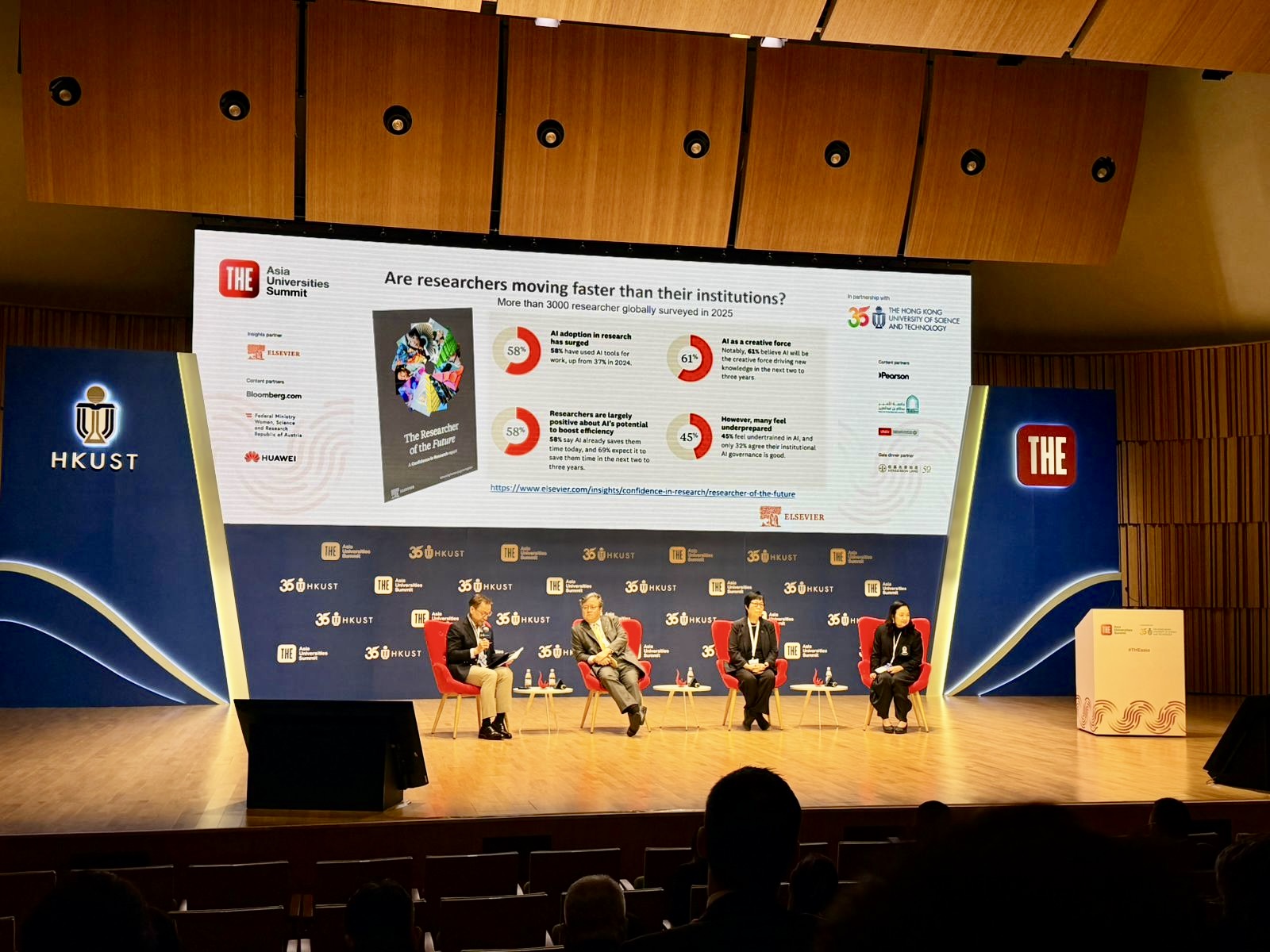
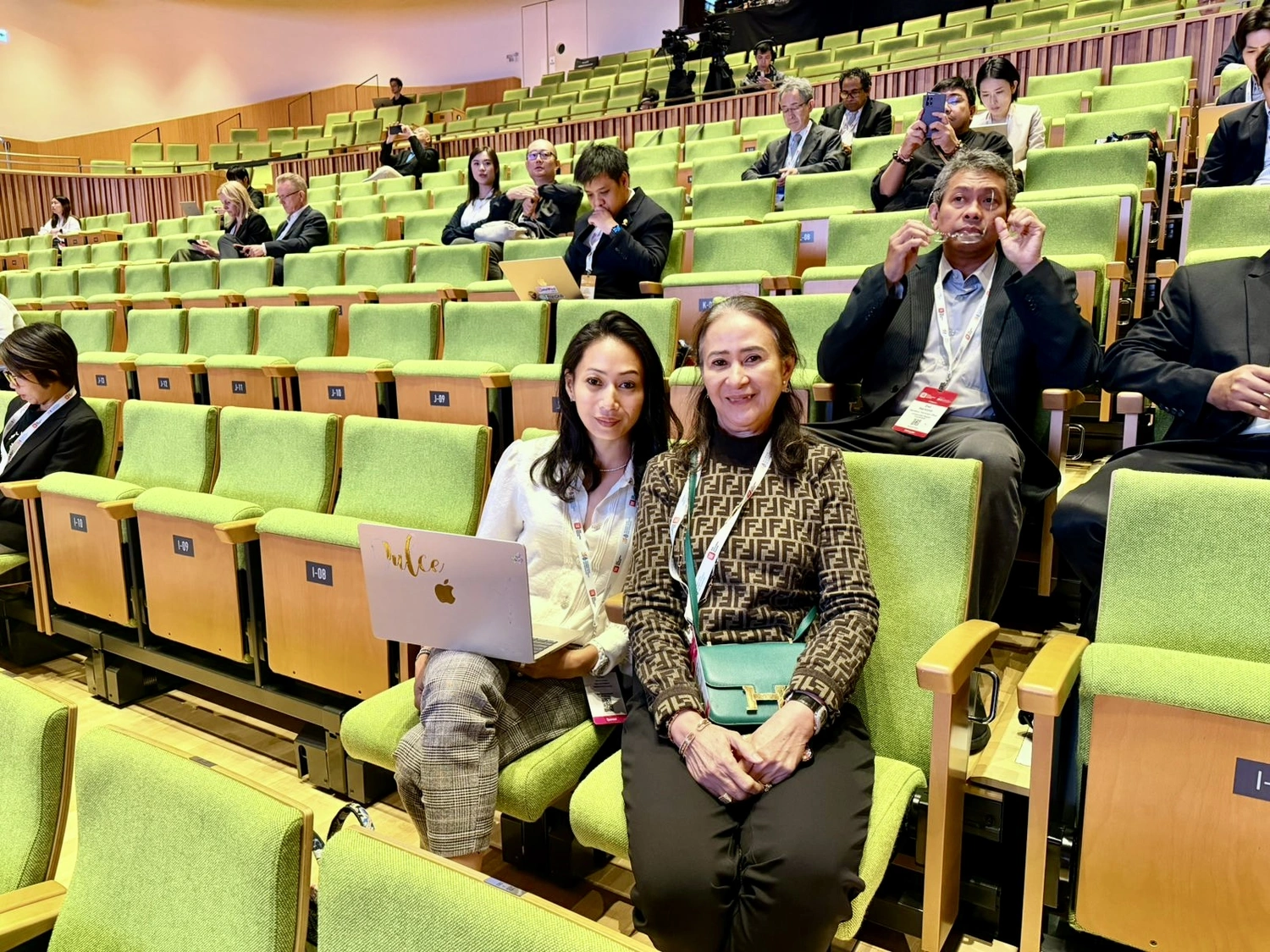
Dr. Carmen Z. Lamagna and Dulce Corazon Z. Lamagna, Members of the Board of Trustees of American International University Bangladesh, attended Day 2 (Thursday, April 23, 2026) of the THE Asia Universities Summit 2026 at HKUST. The three day summit explores Asia’s rise as a global leader in innovation and the pivotal role of universities in shaping the future—covering breakthrough science, entrepreneurial energy, climate and health solutions, urban resilience, AI and education, and featuring the live reveal of THE Asia University Rankings 2026.
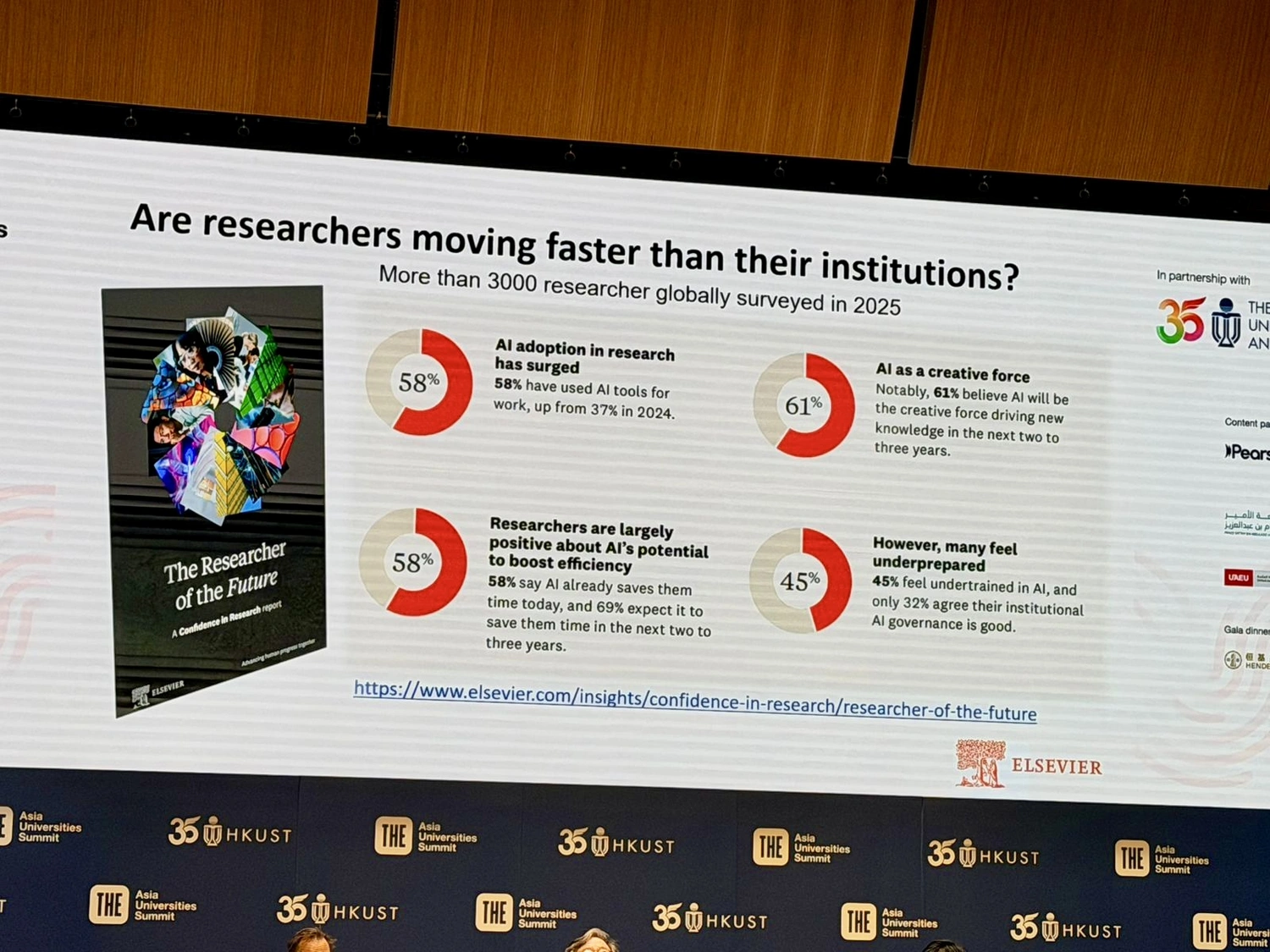
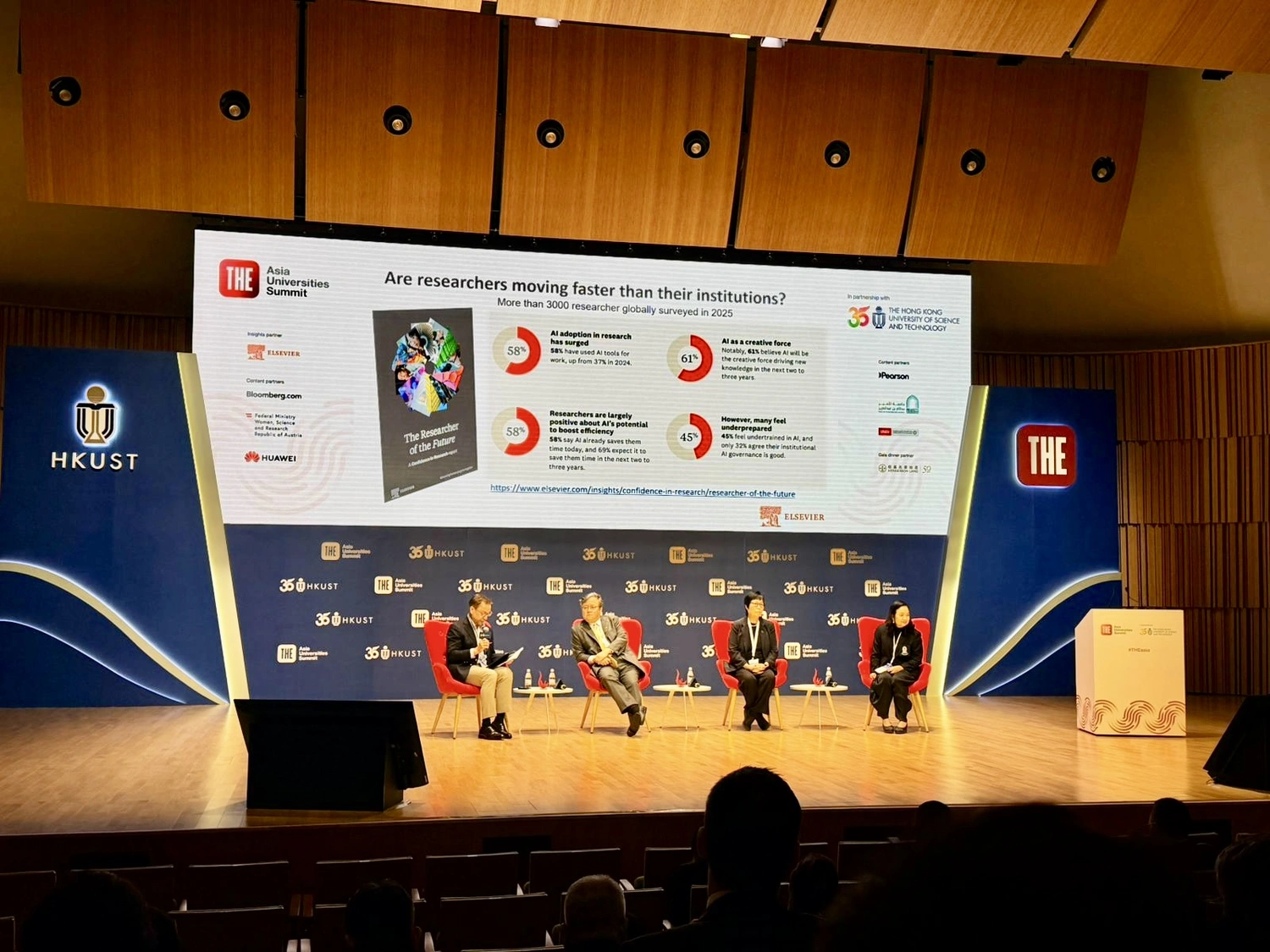
At the Shaw Auditorium they joined the session “Trusted AI in higher education and research: Governance, capability and institutional strategy,” moderated by Anders Karlsson. The panel, including Yike Guo (HKUST), Flora Ng (University of Hong Kong) and Parichart Sthapitanonda (Chulalongkorn University), discussed how generative AI is reshaping teaching, research and university operations and emphasized that the leadership challenge is now implementation: deploying AI in ways that are trusted, well governed and aligned with academic values. Speakers argued that AI is an opportunity to redesign the whole university to improve student success, accelerate research and increase efficiency, and that institutions that scale AI early will strengthen both relevance and resilience. Yike Guo urged embracing AI rather than banning it, fostering open discussion about bias and ethics, and providing financial support and training for faculty and staff. Flora Ng described formal policies, deployment of multiple AI platforms with quotas and funding to level access, integration of AI into a 10 year strategic plan, and mandatory AI literacy training. Parichart Sthapitanonda shared a culture of experimentation supported by leadership—distributing licenses, offering reimbursements, creating a College of AI for lifelong learning—and stressed responsible use, trust building and the need for policies that require verification of AI outputs.
A central takeaway was the “3 Ps” framework—platform, performance and policy—which should guide adoption for students, teachers and all stakeholders to ensure AI (evolving into intelligence assistance, IA) sustains classroom momentum and meaningfully tracks and improves performance. Across the discussion, common priorities emerged: practical governance models, capability building, equitable resource management and balancing AI’s benefits with protection for academic integrity.