
1. Integrating Sustainability into Curriculum and Learning Outcomes
AIUB builds sustainability literacy by embedding sustainable development concepts across its academic programs. Sustainability is one of the core pillars of AIUB’s Academic Strategic Plan 2023–2033, which ensures that all faculties integrate SDG-related learning outcomes and course components within their curriculum.
Link: https://www.aiub.edu/aiubs-academic-strategic-plan-2023--2033-published
Course learning outcomes are developed under Outcome-Based Education (OBE), and sustainability-related competencies—such as understanding SDGs, environmental stewardship, climate awareness, and ethical responsibility—are assessed through quizzes, assignments, presentations, and exams in relevant courses. Structured learning activities such as case analyses, design projects, community problem-solving projects, and thematic essays allow students to demonstrate applied sustainability literacy.
2. Co-Curricular and Experiential Learning that Strengthens Literacy
AIUB regularly hosts seminars, workshops, and discussions focused on sustainability, climate action, environmental protection, and SDG skills-building. These events reinforce classroom learning and allow students to reflect on sustainability challenges through direct engagement.
Examples include the Seminar on Sustainability and SDGs, which strengthens students’ conceptual understanding of the SDG framework and real-world applications.
Seminar on Sustainability and SDGs
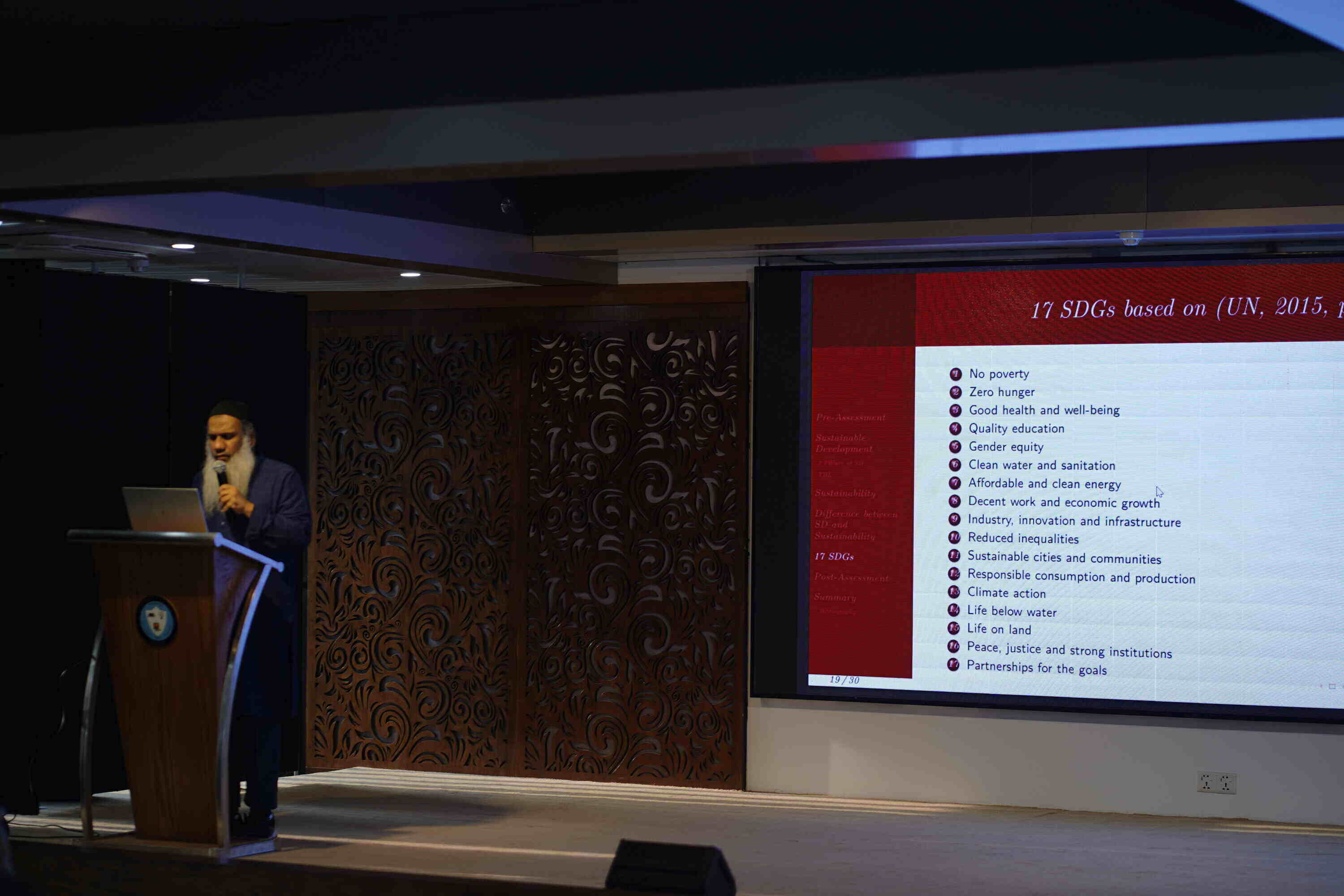
The Department of Industrial and Production Engineering (IPE), in collaboration with the IEOM AIUB Student Chapter, organized an insightful webinar on “Sustainability and SDGs” to enhance students’ understanding of global sustainable development priorities. The session featured Prof. Dr. Mazharul Islam from AUST as the keynote speaker. The event began with an introduction and a welcome address by Prof. Dr. Md. Abdul Mannan, Associate Dean, Faculty of Engineering, who emphasized the relevance of the webinar’s theme in today’s world.
Prof. Dr. Mazharul Islam opened his talk with an interactive assessment to gauge participants’ existing knowledge of sustainability. He then traced the historical evolution of sustainable development, explained the three core pillars of the SDGs, and elaborated on the Triple Bottom Line PPP model. He clearly differentiated between sustainable development and sustainability before providing a detailed overview of all 17 SDGs and their targets. Prof. Islam also discussed the slow global progress toward achieving these goals, highlighting the challenges involved and proposing practical strategies to address them.
The session concluded with an engaging question–answer segment, allowing participants to deepen their understanding. Dr. Md. Saniat Rahman Zishan and Dr. Md. Ehsanul Haque presented a crest to Prof. Islam in recognition of his valuable contribution. The webinar directly supported SDG 10 (Reduced Inequalities) and SDG 13 (Climate Action), reinforcing the importance of sustainability practices and active efforts to combat climate change.
Link: https://www.aiub.edu/seminar-on-sustainability-and-sdgs
Students also participate in experiential learning opportunities such as AIUB’s workshop on solar irrigation and climate adaptation, where they learn about practical climate-resilient technologies and their societal impact.
AIUB hosts Dissemination Workshop on Solar Irrigation and Climate Adaptation
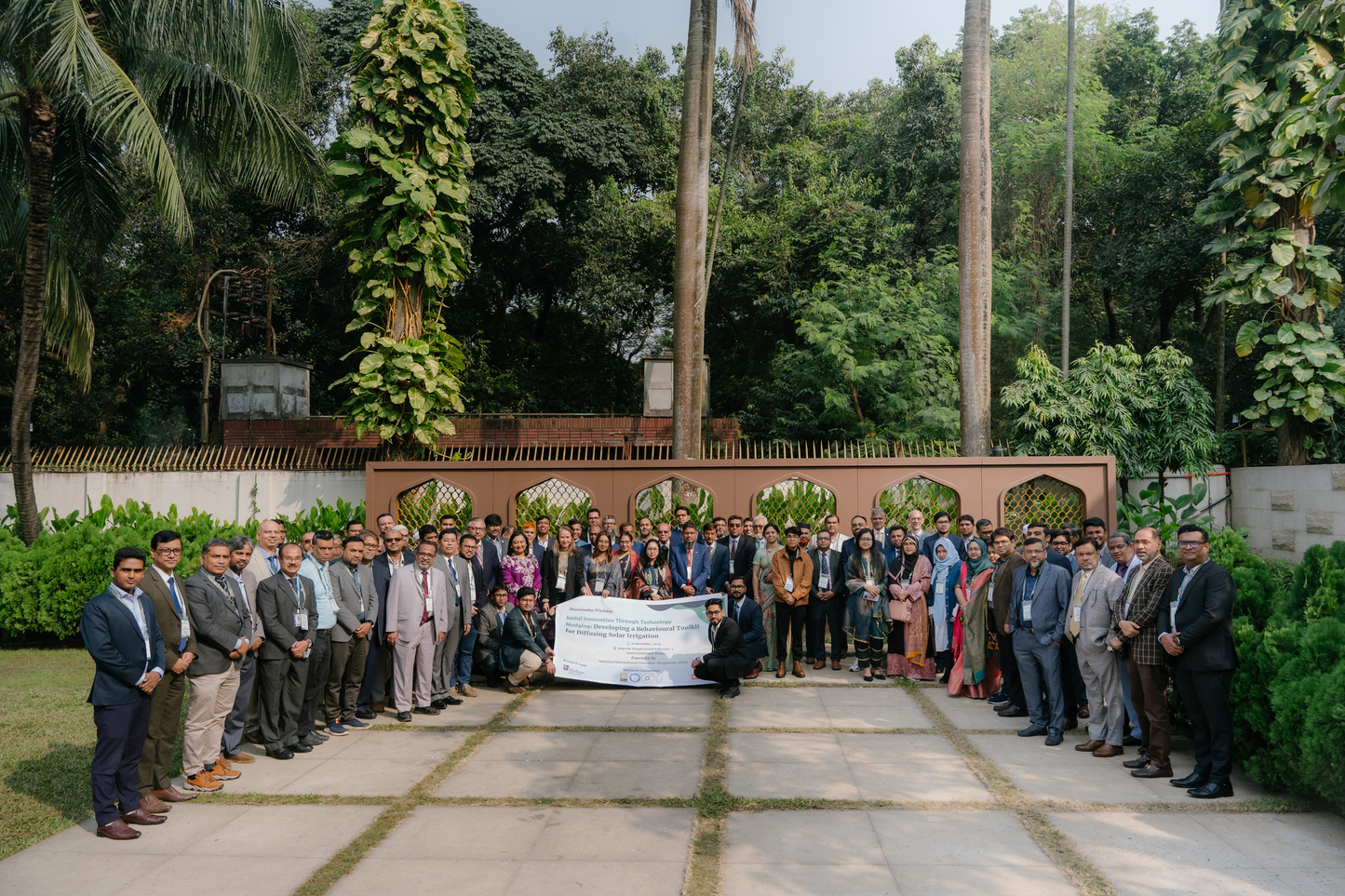
The American International University-Bangladesh (AIUB) hosted a high-profile dissemination workshop on 11 December 2024 at the Ruposhi Bangla Grand Ballroom, Hotel InterContinental Dhaka, to present the outcomes of the yearlong research project titled “Social Innovation Through Technology Nudging: Developing a Behavioural Toolkit for Diffusing Solar Irrigation.” Supported by the World Bank through ADPC under the iCARE fund, the project is implemented in Bangladesh and led by Durham University in collaboration with Curtin University, AIUB, the University of Rajshahi, and Khulna University. The workshop aimed to share research findings and encourage policy dialogue on sustainability, climate resilience, and solar irrigation adoption.
The event was graced by distinguished guests, including Dr. Md. Mahmudur Rahman, Additional Secretary, Ministry of Agriculture, as Guest of Honour, and Ms. Nadia Anwar, Founder Member and Chairman of the Board of Trustees, AIUB, as Special Guest. Opening remarks were delivered by Prof. Dr. Michael Naef (Durham University) and Prof. Dr. Ruhul Salim (Curtin University). Inaugural speeches from senior leaders of AIUB, Khulna University, the University of Rajshahi, and the AIUB Board of Trustees emphasized the importance of sustainable innovations and climate-adaptive technologies.
Key research findings were presented by experts from Durham University, BIISS, and Rajshahi University, followed by an interactive discussion moderated by Prof. Dr. Mohammad Jahangir Alam. Crests were awarded to participating researchers, and the session concluded with a vote of thanks from AIUB’s Pro Vice-Chancellor. With over 100 participants from Bangladesh, the UK, Australia, and Thailand, the workshop marked a major step toward advancing climate adaptation and promoting sustainable solar irrigation solutions.
Link: https://www.aiub.edu/aiub-hosts-dissemination-workshop-on-solar-irrigation-and-climate-adaptation
These activities allow AIUB to assess sustainability literacy through reflective reports, participation analysis, faculty evaluations, and evidence of skills applied in real-world scenarios.
3. International Frameworks and Recognition that Include Student Learning Assessment
AIUB evaluates and strengthens student sustainability literacy through participation in international sustainability frameworks. By joining Responsible Futures International 2024–2025, AIUB commits to embedding students’ sustainability understanding across curriculum, co-curriculum, and institutional culture—an initiative that includes reviewing how student learning is assessed.

Link: https://www.aiub.edu/aiub-joins-responsible-futures-international-2024-2025
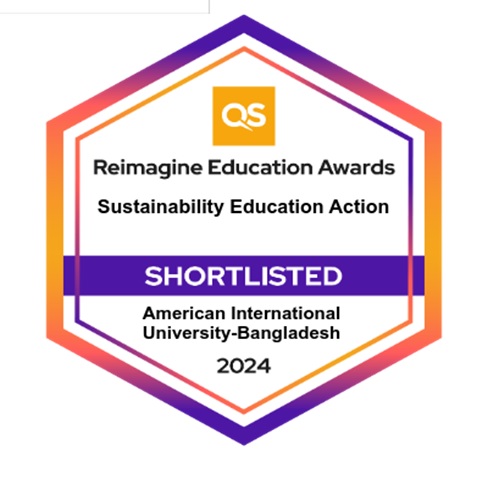
AIUB’s sustainability education efforts have also received global recognition. The university earned the QS Reimagine Education Shortlisted Badge for a Sustainability Project, which reflects the institution’s effective integration of sustainability learning, innovation, and student engagement outcomes.
Link: https://www.aiub.edu/aiub-earns-qs-reimagine-education-shortlisted-badge-for-sustainability-project
In addition, AIUB’s participation in global higher education platforms—such as the QS Higher Ed Summit 2024 featuring discussions on cultural diversity and sustainability—ensures alignment with international expectations for sustainability competencies among students.
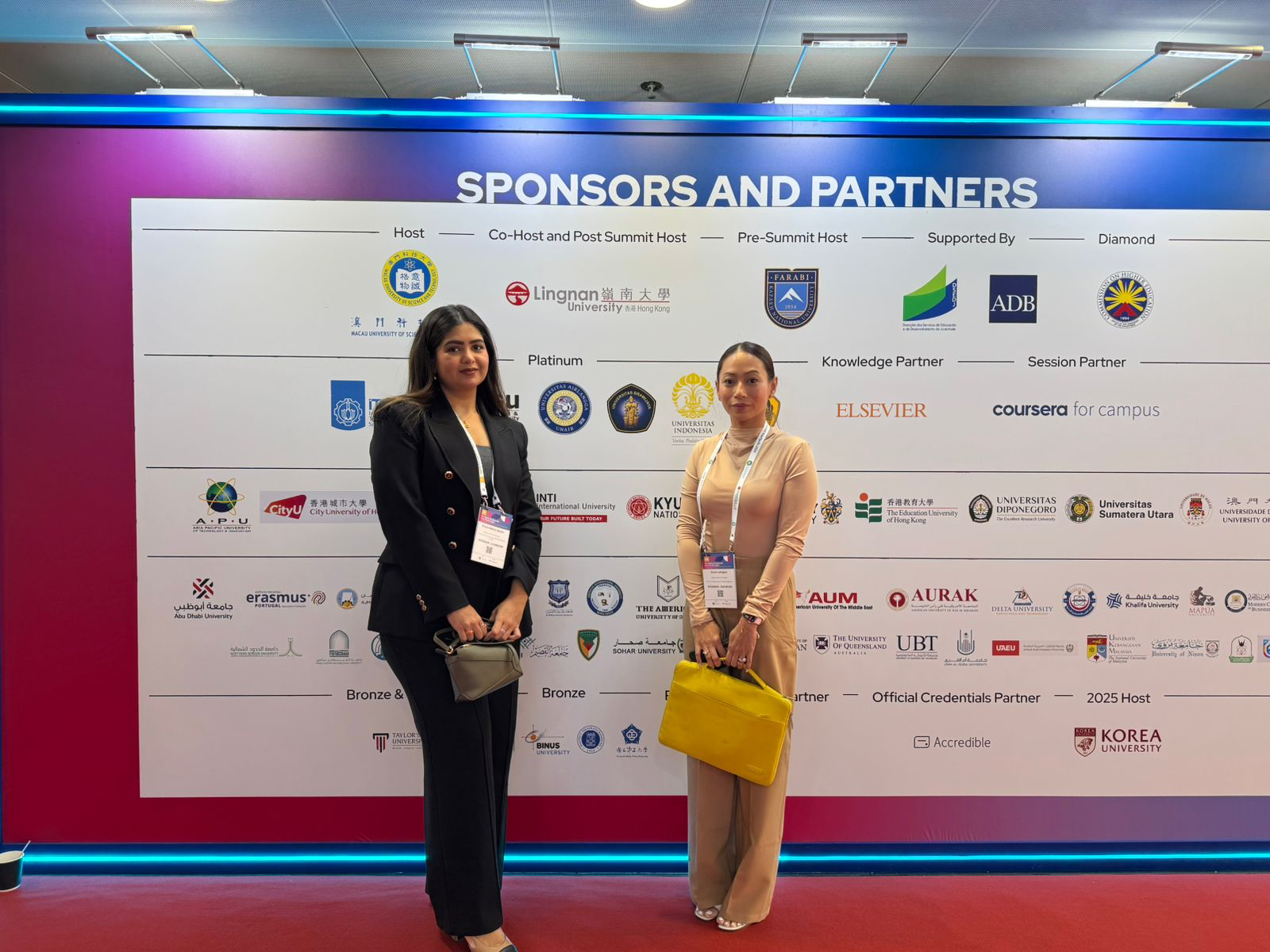
Through these engagements, AIUB benchmarks student sustainability literacy against global standards.
4. Using Sustainability Projects and Achievements to Assess Knowledge Application
AIUB measures sustainability literacy through student involvement in sustainability-driven projects and competitions. Recognition such as AIUB becoming a Finalist in the International Green Gown Awards 2024 demonstrates the university’s active participation in impactful sustainability initiatives—many of which involve student work and allow AIUB to evaluate student learning outcomes through practical, measurable contributions.
Link: https://www.aiub.edu/aiub---finalist-in-the-international-green-gown-awards-2024
Similarly, AIUB’s institutional commitment to environmental responsibility, demonstrated through its Race to Zero participation, requires educational activities that enhance students’ understanding of climate action. This initiative includes student participation in awareness programs, climate-focused academic tasks, and sustainability campaigns.

Link: www.aiub.edu/aiubs-commitment-to-race-to-zero-a-step-towards-environmental-sustainability
These activities allow AIUB to evaluate how well students can apply sustainability principles to real-world challenges.
5. Student Exposure to Global Sustainability Conversations
AIUB enhances sustainability literacy through exposure to international conferences and dialogues. Student-facing sessions—such as takeaways from the QS Higher Ed Summit Europe 2024, which focused on sustainability, innovation, and data-driven leadership—help assess how students understand and interpret global sustainability trends.
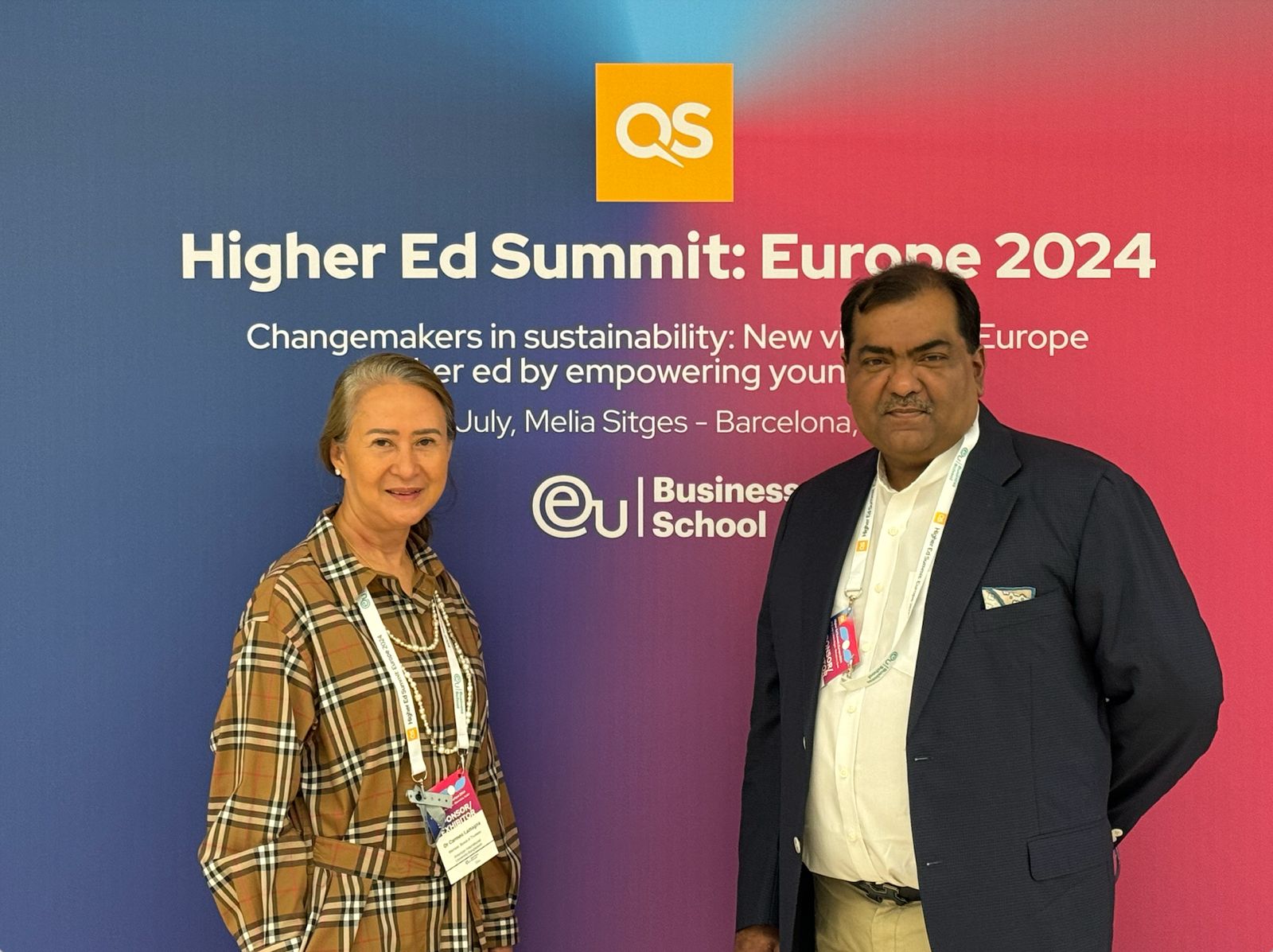
Link: https://www.aiub.edu/aiub-at-the-qs-higher-ed-summit-europe-2024
Faculty often integrate insights from such events into class discussions and assignments, offering another layer of assessment of students’ conceptual and applied sustainability literacy.
6. Measuring Student Sustainability Literacy at AIUB
AIUB uses multiple existing assessment methods that directly evaluate sustainability literacy across programs:
a) Coursework and OBE-Based Evaluation
Students are assessed on sustainability learning outcomes through quizzes, assignments, reflective writing, presentations, and project work embedded in sustainability-focused courses.
b) Practical and Community Projects
Projects such as solar-energy solutions, community empowerment programs, SDG-based development proposals, and green technology prototypes allow faculty to assess students’ understanding, skills, and ability to apply sustainability principles.
c) Seminar/Workshop Reflection Tasks
Participation in events like SDG seminars, sustainability talks, and climate adaptation workshops is measured through attendance tracking, faculty evaluations, and reflective submissions.
d) Achievement-Based Assessment
Awards, competitions, and innovation challenges (e.g., Green Gown Awards, QS sustainability recognition) serve as indirect assessment indicators showing strong student competency in sustainability-driven problem-solving.
Read More about AIUB’s Approach to Measuring Sustainability Literacy